The Complete Guide to Mail-In Film Developing in Canada: How It Works, What to Expect & Why It’s the Best Option for Canadian Photographers
Film photography has quietly made a comeback across Canada, and with it comes a real problem: fewer local labs. Many towns lost their neighborhood photo counter years ago. That is where mail-in film developing Canada services step in, giving photographers everywhere access to proper processing without driving hours to find one.
This blog breaks down exactly how mail-in developing works, what a good lab should offer, and why it has become the smarter choice for photographers across the country.
What Is Mail-In Film Developing?
Mail-in film developing simply means sending exposed film through the post to a lab, instead of dropping it off in person. The lab develops, scans, and returns your images and negatives by mail or digital delivery.
It sounds almost too straightforward, and honestly, it mostly is. The main shift is trust. You are handing your rolls to someone you may never meet face to face.
That is why a reliable film developing Canada provider matters so much. Careful handling, clear communication, and consistent chemistry separate a good lab from a disappointing one.
How Mail-In Film Developing Works
The process follows a fairly predictable rhythm once you understand the steps.
Package Your Film Properly
Wrap your rolls securely, ideally in a padded envelope or small box. A simple Ziploc bag inside the packaging helps too, keeping rolls from shifting around during transit.
Include Your Details
Add your name, phone number, and email with the package. Labs process dozens of orders weekly, and this small step avoids mix-ups.
Ship It Off
Send your film from anywhere in Canada, whether that’s a small Prairie town or downtown Toronto. Distance genuinely does not matter here.
Processing and Scanning
Once received, the lab develops your film using the correct chemistry, C-41 for color, black and white for monochrome film, and ECN-2 for cinema stock. Afterward, negatives get scanned at your chosen resolution.
Digital Delivery
Scanned images typically arrive by email or cloud link before your physical negatives are even shipped back. That part feels nice, honestly, seeing your shots pop-up on-screen days before the envelope shows up.
Payment and Return Shipping
Some labs, ours included, let customers pay only after reviewing their scans. Negatives are then packaged carefully and mailed back for safekeeping.
What to Expect From a Professional Film Lab
Not every lab handles film the same way, and the differences show up in your final images.
A dependable professional film lab Canada photographers can trust should offer:
- Hand processing rather than fully automated machine runs
- Multiple scan resolutions, from web-friendly JPEGs to archival TIFF files
- Support for various formats including 35mm, 120 medium format, and 4×5 sheet film
- Dust removal and basic color correction included with scans
- Clear turnaround times, usually within one to two weeks
Communication matters just as much as the technical side. A lab that answers questions quickly and keeps you updated saves a lot of unnecessary worry, especially with irreplaceable rolls like wedding photos or travel memories.
Understanding Turnaround Times and Why They Vary
Turnaround time is one of the most common questions photographers ask before mailing a roll anywhere. It depends on several things, including order volume, film format, and the season.
Spring and summer months tend to bring more rolls into every lab across the country, simply because more people are out shooting. A single 35mm roll usually moves faster through the queue than a batch of medium format negatives needing individual attention. Weather can even play a small role, since chemistry needs stable temperatures to perform consistently.
A lab offering mail-in film developing Canada-wide should be upfront about expected wait times rather than leaving customers guessing. Honest timelines build trust, and trust is really what keeps people coming back roll after roll.
Why Mail-In Developing Is the Best Option for Canadian Photographers
Geography works against local film labs. Canada is enormous, and most cities lost their darkrooms as digital photography took over. Rural photographers especially feel this gap.
It Removes Location Barriers
Whether you live in Whitehorse, Regina, or a small coastal town in Nova Scotia, mail-in service puts professional processing within reach. Nobody should need to fly to another province just to develop a roll of film.
It Often Costs Less Than You’d Expect
Shipping a few rolls together frequently costs less than gas money for a long drive to the nearest city lab. Bundling orders makes the math work even better.
It Supports Specialized Formats
Not every local drugstore machine handles medium format or large format sheet film properly. Dedicated labs are built for these formats, giving cleaner results with fewer scratches or uneven exposure.
It Connects You With Real Expertise
Independent labs tend to be run by people who genuinely care about analog photography, not just processing volume. That attention shows in the final scans.
Choosing the Right Film Developing Service
A few practical questions help narrow down which lab deserves your rolls.
- Do they hand-develop film or rely entirely on automated machines?
- What scan resolutions are available, and do they include color correction?
- Is return shipping tracked and insured?
- Do they process the specific format you’re shooting, such as ECN-2 cinema stock or large format sheets?
- Can you reach a real person if something needs clarifying?
Reading a lab’s FAQ page or reviews usually answers most of these before you even send an email.
The Role of Proper Packaging in Protecting Your Film
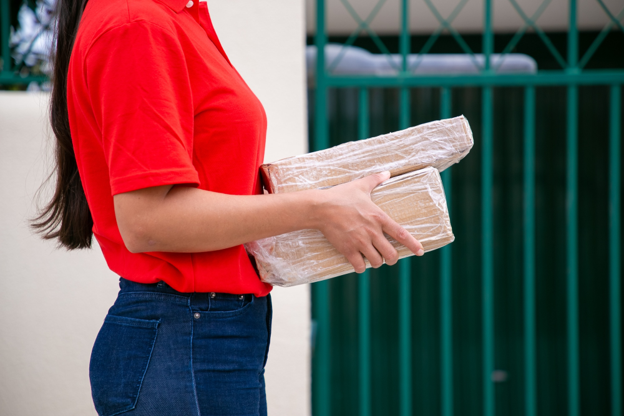
Packaging often gets overlooked, yet it plays a bigger role than most photographers realize. Film is sensitive to pressure, heat, and rough handling during transit, so a flimsy envelope simply will not do the job. Wrapping rolls in a soft cloth or bubble wrap before placing them inside a padded mailer adds a layer of protection against bumps along the way.
Labeling each roll with basic details, such as film type or push processing instructions, also helps technicians avoid mix-ups once everything arrives. Canadian winters bring another factor into play, since extreme cold during shipping can occasionally affect certain film stocks. A little extra care at the packaging stage genuinely goes a long way toward protecting memories that cannot be recreated.
Conclusion
Mail-in film developing has changed how Canadian photographers access quality processing, closing a gap that local labs left behind years ago. It brings professional chemistry, careful scanning, and archival handling straight to photographers regardless of postal code.
At Angelina Guseva Film Lab, we process film for photographers across every province, combining traditional darkroom techniques with modern scanning technology. Whether you’re sending a single disposable camera roll or an archive of medium format negatives, our team treats every frame with the same level of care.
Frequently Asked Questions
Is mail-in film developing safe for irreplaceable photos like weddings?
Yes, reputable labs use tracked shipping and handle negatives carefully throughout processing. Choosing a lab with clear communication and secure return shipping reduces risk significantly.
How long does mail-in film developing in Canada usually take?
Most labs, including established ones offering film developing Canada services, complete orders within seven to fourteen days depending on order size and scan resolution chosen.
Can I request both JPEG and TIFF scans from the same roll?
Many labs offer this, though pricing usually differs since TIFF files are larger and require more processing time. Confirm options before mailing your film.
What film formats does a professional lab typically accept by mail?
A well-equipped professional film lab Canada photographers rely on generally processes 35mm, 120 medium format, 4×5 large format sheets, disposable cameras, and cinema stock like ECN-2.

You May Also Like
Disposable Camera Developing in Canada: The Easy Mail-In Guide for Weddings, Parties & Travel Photos
Black and White Film Processing & High-Resolution Scanning in Canada: The Serious Photographer’s Complete Guide