35mm Film Developing by Mail in Canada: Everything You Need to Know Before You Send Your First Roll
Sending a roll of film across the country to a stranger sounds odd at first. Most of us grew up dropping film at a drugstore counter and picking up prints an hour later. That world has mostly disappeared. What has taken its place, quietly and steadily, is 35mm film developing by mail, and once you understand how it works, the whole process feels far less risky than it sounds.
We put together this blog to walk you through what happens from the moment you seal that envelope to the moment your scans land in your inbox.
Why Mail-In Film Processing Has Become the Norm
Local film labs used to sit on every second street corner. Now, in most Canadian towns and even several cities, they simply do not exist anymore. That gap is exactly why mail-in 35mm film processing has grown so much over the past few years.
The Practical Reasons Behind the Shift
A few things pushed film photographers toward mailing their rolls instead of driving them somewhere.
- Fewer physical labs remain open across the country
- Skilled technicians who understand film chemistry are harder to find locally
- Photographers in smaller towns often had no nearby option at all
- Consistent, professional results matter more than convenience for many shooters
Once photographers realized a lab three provinces away could deliver sharper scans than the one nearby, distance stopped being a real concern.
What Actually Happens to Your Film Once It Arrives
Here is where most first-timers get nervous. Your film leaves your hands, disappears into a mailbox, and you wait. Understanding the steps behind that wait helps a lot.
Careful Inspection
Every roll gets checked before anything touches a chemical bath. Technicians look for damage, confirm the film type, and note anything unusual about how it was shot or stored.
Hand Processing
This is the part that separates a proper lab from a rushed automated machine. Hand processing allows for closer control over temperature, timing, and chemical freshness, which directly affects how your negatives turn out.
Scanning and Digitizing
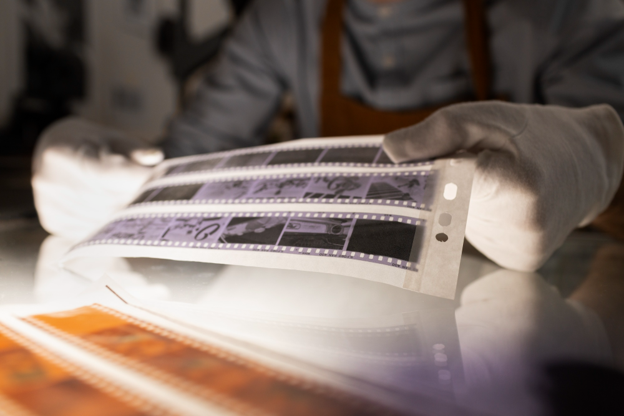
Once developed, negatives are dried and then scanned at high resolution. This step converts your physical film into usable digital files, ready to view, edit, or print 35mm film images later.
Delivery of Digital Files
Scans typically arrive by email or a private online gallery. You get to see your images before paying anything, which removes a lot of the guesswork that used to come with film photography.
Preparing Your Film Before You Post It
A little preparation goes a long way here. Poor packaging is honestly the most common reason people run into trouble with mail-in labs.
Packaging Tips Worth Following
- Use a padded envelope or small sturdy box, never a plain paper envelope
- Wrap rolls individually in a small bag or foil to prevent light exposure
- Include a note with your name, phone number, and email address
- Avoid metal detectors at airports if hand-carrying film before mailing it
- Keep a written list of how many rolls you are sending, just in case
Skipping the written note is more common than people think, and it slows everything down on the lab’s end.
Choosing the Right Courier
Standard Canada Post service works fine for most orders. Faster couriers exist too, though they cost more and rarely change turnaround time significantly, since the lab still needs its usual processing window once your film arrives.
Understanding Turnaround Times
Patience matters with film. Processing quality film properly cannot be rushed, and honestly, that is part of the appeal for many photographers who grew tired of instant digital results.
Typical mail-in 35mm film developing turnaround runs somewhere between one and two weeks, depending on order volume and the specific services requested. Rush options sometimes exist, though standard timing usually suits most photographers just fine.
Scan Resolution and Why It Matters
Not every scan is created equal, and this trips up a lot of newcomers.
Standard Resolution Scans
These work well for casual sharing, social media posts, and small prints. They keep file sizes manageable without sacrificing much visible quality on screens.
High Resolution Scans
Photographers planning larger prints or serious editing usually choose higher resolution files. These preserve more detail and give far more flexibility during post-processing.
TIFF Files
TIFF format skips compression entirely, which appeals to photographers who want maximum image data for professional editing work. File sizes grow considerably, so this option suits people with a clear editing plan in mind.
Black and White Versus Color Processing
These two processes are genuinely different, chemically speaking.
35mm film processing for color typically uses the C-41 process, which most labs run regularly since color film remains widely popular. Black and white processing follows separate chemistry entirely, often requiring more manual attention and slightly longer development times.
Photographers shooting both color and black and white in the same batch should expect their rolls to be sorted and processed on separate tracks internally, even if everything ships back together.
Printing Your Developed Film
Scanning digitizes your images, but plenty of photographers still want physical prints in hand.
Options generally include:
- Standard digital prints on photo paper
- Fine art paper prints for exhibitions or portfolios
- Traditional darkroom silver gelatin prints for black and white work
- Mounted prints ready for framing
Choosing to print 35mm film images through a darkroom enlarger rather than a digital printer produces a noticeably different look. It carries texture and tonal depth that digital printing struggles to replicate exactly.
Common Mistakes First-Time Mailers Make
Learning from other people’s slip-ups saves everyone time.
- Forgetting contact details inside the package
- Choosing standard resolution when the goal was large prints
- Not specifying black and white versus color clearly
- Mailing film during extreme heat without proper insulation
- Assuming all labs offer identical pricing and turnaround
Small oversights like these rarely ruin a roll completely, though they can add unnecessary delays.
Cost Expectations for Mail-In Developing
Pricing varies by lab, film format, and scan resolution chosen. Generally speaking, basic development costs less than development paired with high-resolution scanning, and TIFF files sit at the top of most pricing tiers due to their larger file size and lack of compression.
Comparing a few labs before committing your first roll makes sense, particularly if you shoot regularly and want a long-term processing partner rather than a one-time transaction.
Conclusion
Film photography rewards patience, and mailing your rolls simply extends that patience a little further down the line. What starts as a slightly nerve-wracking first attempt usually turns into a routine within a couple of orders. Once you understand packaging, resolution choices, and reasonable turnaround expectations, mail-in developing stops feeling like a gamble and starts feeling like the practical, reliable option it actually is.
We at Angelina Guseva Film Lab understand exactly how personal each roll of film feels to the person who shot it, which is why every step from arrival to scanning receives the careful attention your images deserve.
Frequently Asked Questions
Is mail-in 35mm film developing safe for older or expired rolls?
Yes, most labs process expired film without issue, though colours may shift slightly and grain can appear more pronounced depending on storage conditions before mailing.
How long does 35mm film processing usually take once received?
Standard turnaround generally falls between one and two weeks, though this depends on order volume and the specific scanning option selected.
Can I request both prints and digital scans from the same roll?
Absolutely. Many photographers choose scanning first to review images, then order prints separately once they have selected their favourite frames.
What resolution should I choose if I plan to print 35mm film images later?
Higher resolution or TIFF scans work best for printing, since they retain more detail and give you greater flexibility during editing and enlargement.


You May Also Like
The Complete Guide to Mail-In Film Developing in Canada: How It Works, What to Expect & Why It’s the Best Option for Canadian Photographers
Black and White Film Processing & High-Resolution Scanning in Canada: The Serious Photographer’s Complete Guide