Black and White Film Processing & High-Resolution Scanning in Canada: The Serious Photographer’s Complete Guide
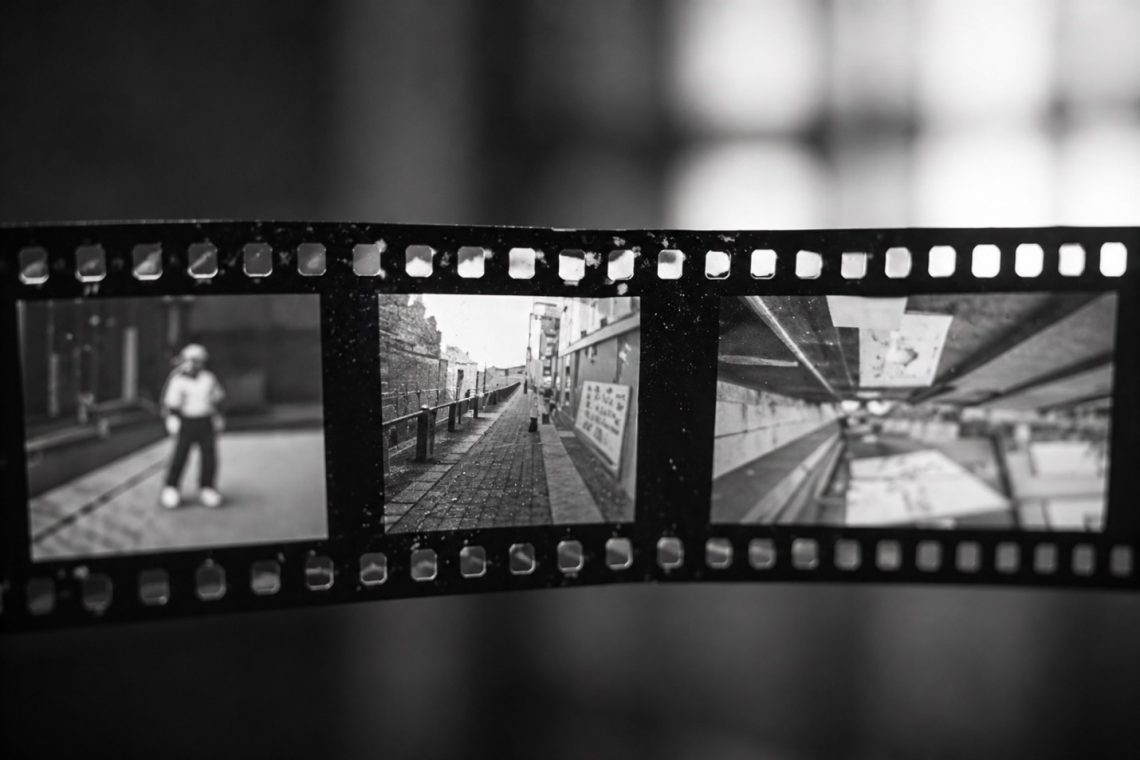
Film has a texture that digital sensors still struggle to copy. Grain, tonal depth, that slight unpredictability in every roll. For photographers who care about the craft, black and white photography developing remains one of the most rewarding parts of the process. This blog walks through what matters most when choosing a lab, and why the right processing and scanning choices shape the final image far more than most people expect.
Why Black and White Processing Still Matters
Color film chases accuracy. Black and white chases feeling. Contrast, shadow detail, the way light falls across a face. None of that happens by accident.
We hand develop every roll because black and white chemistry rewards attention. Temperature swings, agitation timing, even the age of the developer, all of it changes the final negative. A machine can’t judge that the way a trained eye can.
Photographers who shoot black and white tend to notice small differences. A slightly blocked shadow. A highlight that’s lost detail. That’s why darkroom experience still matters, even in a digital delivery world.
What Makes a Negative “Good”
A well-developed negative has:
- Full tonal range, from deep black to clean white
- Sharp edges without excessive grain clumping
- Even development across the entire frame
- No chemical staining or uneven fixing
Get these right, and everything downstream, scanning, printing, editing, becomes easier.
High-Resolution Film Scanning Explained
Developing the film is only half the job. The scan is what most people actually see and share.
High-resolution film scanning captures far more detail than a phone photo of a negative ever could. It picks up grain structure, subtle tonal shifts, and fine texture that gets lost at lower resolutions.
We offer scans up to 5000 x 7500 pixels for 35mm, and higher for medium format. That level of detail matters for:
- Large prints, especially anything above 11×14 inches
- Portfolio work where clients zoom into details
- Archival storage, since negatives fade and degrade over decades
- Fine art reproduction where tonal accuracy is non-negotiable
JPEG vs TIFF, and Why It’s Not a Small Choice
JPEG files are smaller and easier to share. Fine for social media, quick previews, casual prints.
TIFF is different. No compression, no data loss. Every pixel of tonal information stays intact, which matters enormously for black and white work where subtle gradations carry the emotional weight of the image.
Photographers planning to print large, or edit heavily, generally choose TIFF. It costs more, but the flexibility pays off later.
Film Scanning Canada: Why Location and Handling Matter
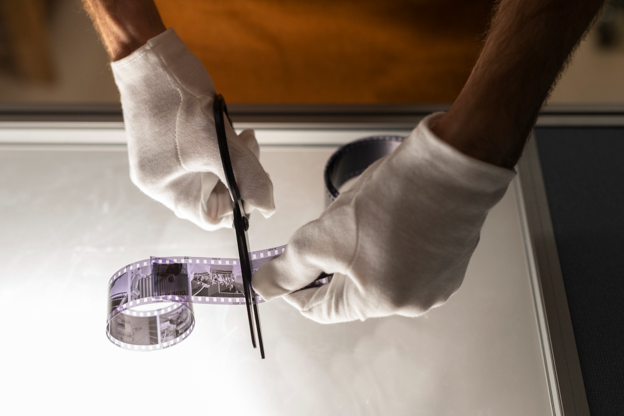
Film scanning in Canada-wide services have grown quickly, mostly because local labs have closed in so many cities. Mailing film sounds risky at first. It isn’t, provided the lab handles negatives with care.
A few things separate a careful lab from a rushed one:
- Dust and scratch removal before scanning, not after
- Color and contrast correction applied by a person, not just software defaults
- Secure packaging for return shipping
- Clear communication about turnaround times
We process film from across the country, and negatives arrive from places as far apart as Vancouver and St. John’s. Distance isn’t the issue. Attention to detail is.
Common Film Formats We Process
- 35mm, still the most widely shot format
- 120 medium format, popular with Hasselblad, Mamiya, and Rolleiflex shooters
- 4×5 large format sheet film
- Disposable cameras, which surprisingly still hold up well when processed properly
Each format has its own quirks during development and scanning. Medium format, for instance, needs careful handling during scanning to avoid Newton rings or uneven focus across the frame.
How to Choose the Right Scan Resolution
Not every photo needs the highest resolution available. Choosing wisely saves money and storage space.
Standard resolution works well for:
- Instagram and web use
- Small prints, up to 5×7 inches
- Quick client previews
Super high resolution makes more sense for:
- Gallery prints or exhibition work
- Cropping and reframing after the scan
- Archival preservation of important negatives
A simple rule: if the image might get printed large someday, scan it high resolution now. Rescanning later costs more than doing it right the first time.
Tips for Photographers Sending Film by Mail
A few practical habits make the process smoother for everyone involved:
- Label rolls clearly with your name and contact details
- Use a padded envelope, never a flimsy one
- Avoid checked airport luggage or extreme heat during transit
- Ask about turnaround times before sending large batches
Film is durable, but not indestructible. A little care during shipping goes a long way toward protecting images that can’t be reshot.
The Value of Darkroom Craft in a Digital World
Plenty of labs automate everything now. Faster, cheaper, less personal. That approach works for casual snapshots.
Serious black and white work benefits from a different pace. Hand processing allows adjustments mid-roll if something looks off. It allows real judgment calls rather than fixed machine settings.
That difference shows up in the final print, especially in shadow detail and midtone separation, areas where automated processing often falls short.
Conclusion
Black and white film photography rewards patience, and so does choosing the right lab to process it. From careful hand development to high-resolution scanning, every step shapes how the final image looks and feels.
Angelina Guseva Film Lab combines traditional darkroom methods with modern scanning technology, giving photographers across Canada a reliable option for both processing and archiving their work. Choosing quality at each stage, from negative to scan, is what separates memorable images from forgettable ones.
Frequently Asked Questions
What is the best resolution for black and white film scanning?
For most prints under 11×14 inches, standard resolution works fine. Larger prints or fine art reproduction benefit from super high-resolution scanning, which preserves finer tonal detail.
Is mail-in film processing safe for black and white negatives?
Yes, provided the film is packaged properly. Padded envelopes and clear labelling help protect negatives during transit across Canada.
Why choose TIFF over JPEG for black and white scans?
TIFF files retain full tonal data without compression, which matters for black and white images where subtle gradations affect the overall mood and depth of the photograph.
How long does black and white film developing typically take?
Turnaround usually ranges from a few days to two weeks, depending on order volume and whether high resolution scanning is included.

You May Also Like
Disposable Camera Developing in Canada: The Easy Mail-In Guide for Weddings, Parties & Travel Photos
The Complete Guide to Mail-In Film Developing in Canada: How It Works, What to Expect & Why It’s the Best Option for Canadian Photographers